How to Operate and Maintain Your Electric Valve Actuator
News Details
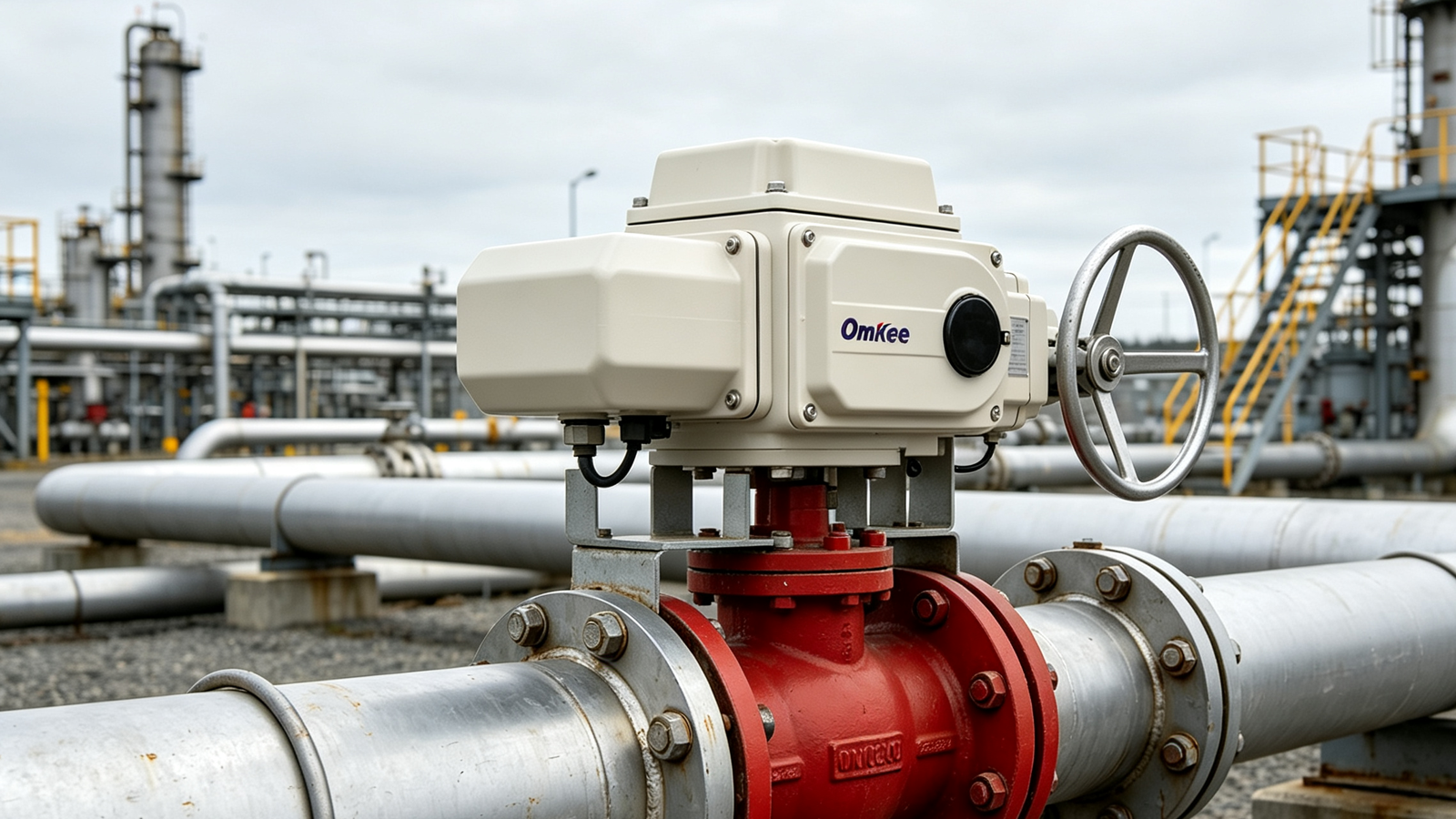
Electric valve actuators are vital tools for industrial flow control. They automate your valves so your pipelines run smoothly. However, like any heavy-duty hardware, these devices need correct care. If you want to prevent sudden breakdowns and cut costs, you must know how to look after them.
In this helpful guide from OMKEE, we will show you how to care for your equipment. We will also share a simple troubleshooting table so you can fix common problems quickly.
Daily Care and Routine Maintenance
Fortunately, modern electric valve actuators do not require complex, everyday service. Thanks to premium engineering, keeping them in top shape is very simple if you follow these two basic rules:
No Regular Oil Changes Needed
First, you do not need to check or add oil constantly. This is because all main moving parts inside the actuator use a premium, long-life, heavy-duty molybdenum-based grease. This special grease handles high pressure perfectly and stays stable over time. Therefore, you can save valuable time on routine lubrication checks.
Regular Testing for Idle Valves
Second, pay close attention to valves that stay closed or open for a very long time. If a valve stays idle or rarely moves, the internal parts can settle. To prevent issues, you should run the electric actuator regularly. Simply power it up and let it cycle through its positions. This quick test helps you check if everything works normally and prevents the valve from seizing up in the future.
Quick Troubleshooting Guide: Common Issues and Solutions
Even with the best care, electrical or mechanical issues can still happen on the factory floor. When a problem occurs, you do not always need to call an outside engineer. Instead, use this straightforward guide to identify the root cause and fix the problem fast.
| Problem | Potential Root Cause | Corrective Action |
| The Motor Will Not Start |
1. The power supply is disconnected or turned off. 2. You have a broken wire, a loose joint, or a loose terminal connection. 3. The power voltage is incorrect or the voltage level is too low. 4. The thermal overload protector stepped in because the ambient temperature is too high or the valve itself is jammed tight. 5. The start capacitor is damaged or faulty. |
1. Reconnect and secure the main power supply line. 2. Fix the broken wire, reconnect it properly, and tighten the wiring terminal block securely. 3. Test the line voltage with a meter to ensure it matches the normal required level. 4. Lower the ambient temperature around the unit. Next, use the manual handle to check if the valve opens and closes smoothly. 5. Contact the original manufacturer immediately to get a replacement capacitor. |
| The Open/Close Indicator Light Is Off |
1. The light bulb inside the indicator is broken or burnt out. 2. The travel limit switch is faulty or broken. 3. The mechanical travel stop block is poorly adjusted. |
1. Replace the old light bulb with a new one. 2. Remove the faulty travel switch and install a new replacement. 3. Readjust the mechanical limit position carefully. |
| The Motor Keeps Running and Cannot Stop at Limit Positions |
1. The micro switch is broken or does not activate correctly. 2. The wiring polarity is wrong for DC24V power, or the main power phase sequence is reversed for AC380V power. 3. The travel limit switch is wired incorrectly into the main control circuit. |
1. Replace the faulty micro switch immediately. 2. Adjust and correct the DC power polarity, or swap the phases on the three-phase AC power lines. 3. Check your wiring diagram and adjust the control circuit connections correctly. |
Let OMKEE Help Optimize Your System
By following these simple guidelines, you can ensure that your automated valves work perfectly for years to come. Routine cycling and basic electrical checks will keep your downtime to an absolute minimum.
Do you have more questions about actuator wiring, custom sizing, or advanced troubleshooting? OMKEE offers high-reliability standard and explosion-proof electric actuators built for the toughest environments. Our dedicated engineering team is always ready to assist you with technical advice, detailed manuals, and fast B2B quotes.
Contact OMKEE today via our official website at https://www.omkeevalve.com or email us at [email protected] to keep your operations moving smoothly!


