What Is an Electric Valve Actuator?
News Details
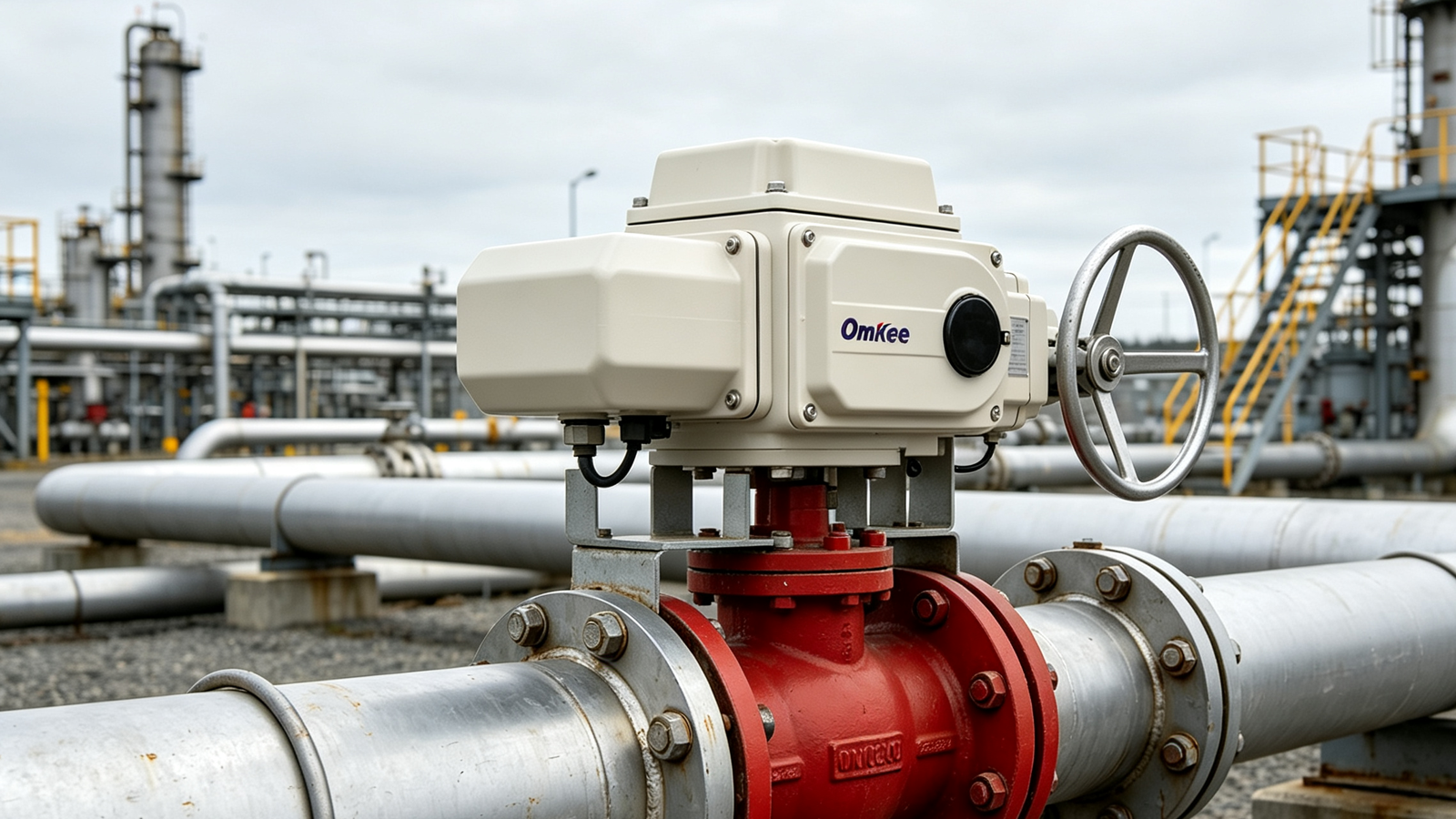
In modern industrial automation systems, valves play an important role in controlling the flow of liquids, gases, steam, and other media. However, manually opening and closing valves is often inefficient, especially in large industrial plants. This is where an electric valve actuator becomes essential.
An electric valve actuator is a device that uses electrical energy to operate a valve automatically. It controls the opening and closing of valves by converting electrical signals into mechanical movement. With reliable control, high accuracy, and easy integration, electric actuators are widely used in industries such as oil and gas, chemical processing, power generation, water treatment, HVAC, and manufacturing.
As a professional valve solution provider, OMKEE Valve provides different types of electric valve actuators designed for industrial automation applications, including standard electric actuators, intelligent electric actuators, and explosion-proof solutions.
What Is an Electric Valve Actuator?
An electric valve actuator is a motor-driven device installed on a valve to control its movement. It replaces manual operation and allows users to operate valves remotely through electrical signals.
Simply speaking, the actuator works as the “power unit” of a valve. When the control system sends a signal, the actuator motor starts working and produces torque. This torque moves the valve stem or rotating shaft, allowing the valve to open, close, or adjust flow.
Electric valve actuators are commonly used with:
- Ball valves
- Butterfly valves
- Gate valves
- Globe valves
- Control valves
Compared with manual valves, electric valve actuators provide better automation, improved safety, and more accurate control.
How Does an Electric Actuator Work?
The working process of an electric actuator is simple but effective.
First, the control system sends an electrical signal to the actuator. Then, the electric actuator motor converts electrical energy into mechanical power.
Next, the actuator generates torque through a gearbox. The output force drives the valve stem or shaft, changing the valve position.
The main components of an electric actuator include:
Electric Actuator Motor
The motor is the power source of the actuator. It provides stable operation and determines the actuator’s working speed and torque.
Gear System
The gearbox increases torque output and allows the actuator to control large industrial valves.
Control Unit
The control system manages valve operation and can provide functions such as position feedback, remote control, and intelligent monitoring.
Manual Override System
Many electric actuators include a manual operation function. This allows operators to control the valve during power failure or emergency situations.
Main Types of Electric Valve Actuators
Different industrial environments require different actuator solutions. Therefore, manufacturers provide various types of electric actuators.
Standard Electric Actuator for Industrial Valves
Standard electric actuators are suitable for general industrial applications. They provide stable performance and are commonly used with ball valves and butterfly valves.
Typical applications include:
- Water supply systems
- HVAC systems
- Industrial pipelines
- General automation projects
They are a practical choice for customers who need reliable valve automation at a reasonable cost.
Intelligent Electric Actuator with Smart Control Features
An intelligent electric actuator is an advanced actuator equipped with digital control technology.
Compared with traditional actuators, intelligent models can provide:
- Digital position control
- Remote monitoring
- Fault diagnosis
- Real-time feedback
- Improved control accuracy
As industrial automation develops, intelligent electric actuators are becoming increasingly popular because they help factories improve efficiency and reduce maintenance costs.
Explosion Proof Electric Actuator for Hazardous Environments
In industries such as oil, gas, and chemical processing, equipment may operate in areas with flammable gases or explosive materials.
An explosion proof electric actuator is specially designed for these environments. It uses a protected structure to prevent sparks or electrical faults from causing safety risks.
Explosion-proof actuators are commonly used in:
- Oil refineries
- Chemical plants
- Natural gas systems
- Mining applications
They provide safer valve automation in challenging industrial conditions.
Heavy Duty Electric Actuator for High-Performance Applications
A heavy duty electric actuator is designed for demanding industrial applications where high torque and long service life are required.
These actuators are suitable for:
- Large pipeline systems
- High-pressure applications
- Frequent valve operation
- Harsh working environments
With strong output torque and durable components, heavy-duty actuators help ensure stable operation in industrial projects.
Benefits of Using Electric Valve Actuators
Electric valve actuators provide many advantages compared with traditional valve operation methods.
Easy Automation
Electric actuators can connect with PLC systems, control panels, and industrial networks. Therefore, operators can control valves remotely and improve production efficiency.
Accurate Valve Control
Electric actuators provide precise movement control. This is especially important for applications that require accurate flow adjustment.
Lower Maintenance Requirements
Because electric actuators have a simple structure and fewer external components, maintenance is usually easier compared with pneumatic systems.
No Need for Air Supply
Unlike pneumatic actuators, electric actuators do not require compressors or air pipelines. This reduces system complexity and installation costs.
Suitable for Different Industrial Media
Electric valve actuators can be used for controlling:
- Water
- Steam
- Gas
- Oil
- Chemical fluids
- Other industrial media
Electric Valve Actuator Applications
Electric valve actuators are widely used across many industries.
Oil and Gas Industry
They control pipeline flow, fuel transportation, and processing systems.
Chemical Industry
They provide reliable control for corrosive and hazardous fluids.
Water Treatment
They help automate water supply, filtration, and wastewater systems.
Power Plants
They control steam, cooling water, and other process systems.
HVAC Systems
They regulate heating, ventilation, and cooling pipelines.
Because of their flexibility, electric valve actuators have become an important part of industrial automation.
How to Choose the Right Electric Actuator Supplier?
Choosing the right supplier is important for ensuring product reliability and long-term performance.
A professional Electric Actuator Supplier should provide:
Wide Product Range
A reliable supplier should offer different actuator types, including standard electric actuators, intelligent models, and explosion-proof solutions.
Strong Manufacturing Capability
A professional valve electric actuator manufacturer should have advanced production equipment, strict quality control, and testing procedures.
Industry Experience
Experienced manufacturers understand different application requirements and can provide suitable solutions.
Complete Technical Support
Good suppliers provide installation guidance, product selection support, and after-sales service.
OMKEE focuses on providing industrial valve automation solutions and supports customers with reliable electric actuators for different applications.
OMKEE Electric Valve Actuator Solutions
As an experienced industrial valve supplier, OMKEE provides electric valve automation products for global customers.
The company offers solutions for:
- Electric ball valves
- Electric butterfly valves
- Industrial valve automation systems
- Electric valve actuators
As a professional china electric ball valve manufacturer, OMKEE combines valve technology with electric actuator solutions to help customers achieve efficient flow control.
For different project requirements, OMKEE provides customized solutions based on:
- Valve type
- Operating environment
- Torque requirements
- Control system requirements
Whether customers need a reliable ball valve supplier or a professional butterfly valve supplier, OMKEE provides industrial valve solutions designed for stable performance.
Conclusion
An electric valve actuator is a key component that helps automate industrial valve operation. By converting electrical energy into mechanical movement, it allows valves to operate safely, accurately, and efficiently.
From standard electric actuators to intelligent electric actuators, explosion-proof electric actuators, and heavy-duty solutions, different actuator types meet different industrial needs.
Choosing an experienced electric valve manufacturerand actuator supplier ensures better product quality, longer service life, and more reliable system performance.
With professional manufacturing capabilities and industrial valve expertise, OMKEE continues to provide reliable electric actuator and valve solutions for customers worldwide.


