
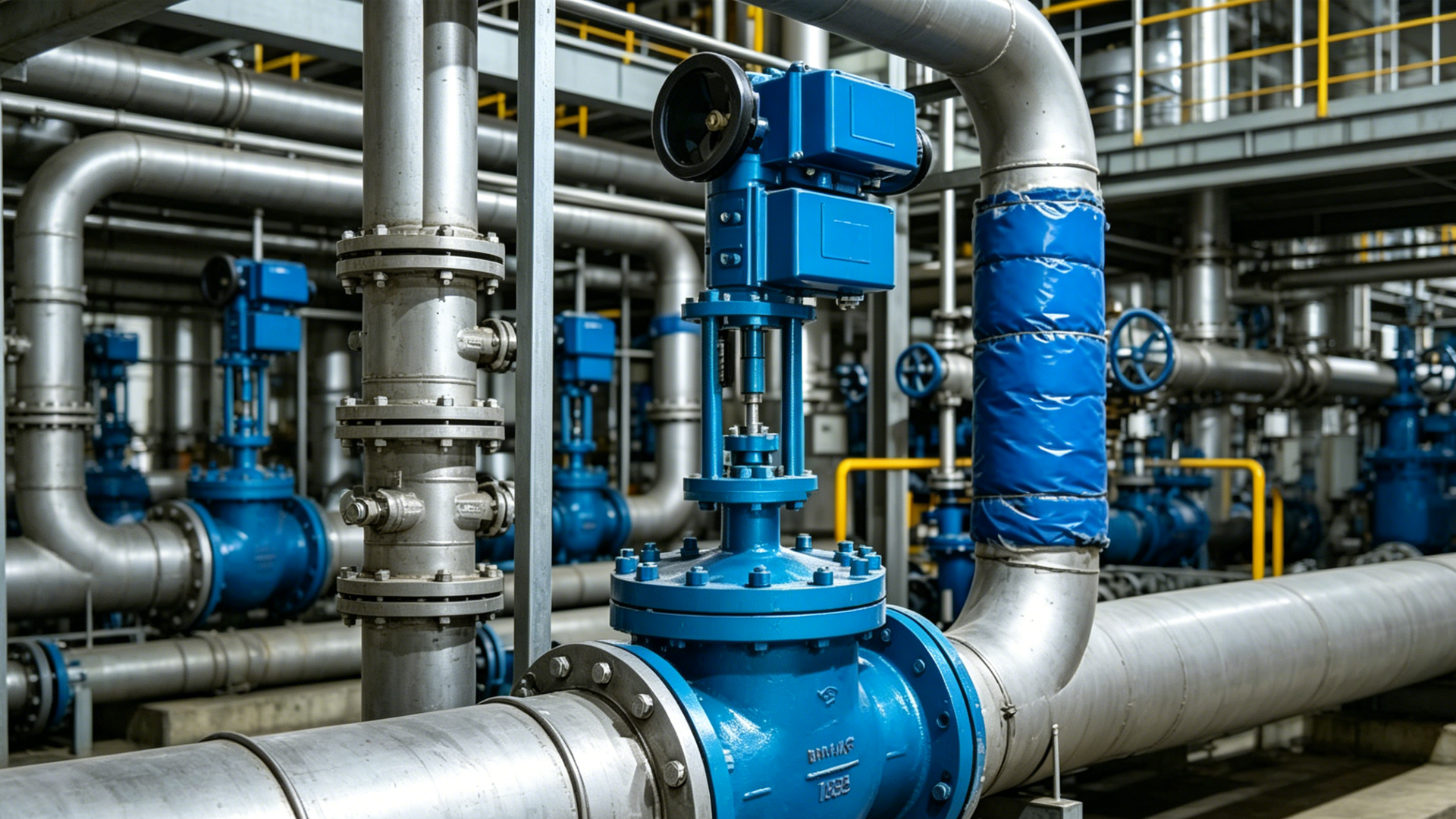
Electric regulating valves are critical tools for industrial automation and process control. As automation levels rise across various industries, these valves have become vital for efficient production. However, to prevent accidents and ensure peak performance, you must perform regular inspections and careful repairs. Below is a comprehensive guide to the core research and practical steps for effective valve maintenance.
1. Professional Cleaning of the Valve Body
Before you begin any repairs, the first step is always thorough cleaning. When you remove a valve from the production line, it may be covered in process media. Therefore, all parts must be cleaned to remove corrosive liquids or hazardous residues. This step is crucial because it protects your staff from injury and prevents equipment damage. At the same time, remember to remove any rust from the exposed surfaces of the system components.
2. Proper Valve Disassembly Techniques
Next, you need to disassemble the valve to inspect each part. You should fully separate the actuator from the valve body to determine which components need repair or replacement. During this stage, you must be very careful. Protect the precision-machined surfaces of the valve core, seat, stem, and sleeve to avoid accidental scratches. To keep maintenance costs low, always use professional tools when removing the valve seat to prevent unnecessary damage.
3. Repairing Key Valve Components
Once disassembled, you can assess the damage to the main parts. If the valve seat or body sealing surfaces have only minor wear or rust, you can often fix them using standard machining or grinding methods. However, if the damage is deep, you must replace them with new parts to ensure the valve core and seat remain perfectly aligned.
Furthermore, some parts are more sensitive than others:
- Valve Stem: If the sealing surface is damaged, it generally must be replaced.
- Actuator Components: Damaged pushrod guides or sealing surfaces in the actuator often require new parts to maintain activity.
- Springs: Always check for cracks in compression springs. If any defects exist that could affect strength, replace the spring immediately.
4. Timely Replacement of Wear Parts
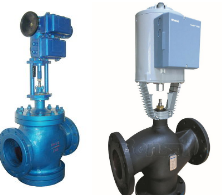
Every electric regulating valve has "wear parts" that require frequent attention. These include packing rings, O-rings, gaskets, and diaphragms. As a rule of thumb, you should replace the packing and O-rings with new ones during every major repair. For diaphragms, check for signs of aging or small cracks. Even if they look okay, most diaphragms should be replaced every two to three years to avoid unexpected ruptures during operation.
5. Precise Assembly and Final Debugging
The final stage is putting the valve back together. When reassembling the parts, apply a suitable amount of grease to the threads and guiding parts. This makes the installation smoother and protects the metal from friction. After assembly, the valve must undergo debugging to ensure it meets the required control accuracy and response speed.
Why OMKEEValves Require Less Maintenance
At OMKEE, we design our products to reduce your maintenance burden. Our OMK Series electric actuators feature:
- IP68 Protection: Superior sealing prevents internal corrosion and reduces the need for frequent cleaning.
- High-Quality Materials: We use ADC12 aluminum and Japanese Sakae potentiometers, which offer longer life cycles and higher wear resistance.
- Robust Motors: Our motors are built with a 1.3-1.5x torque reserve, meaning they experience less stress during frequent starts, leading to fewer mechanical failures.
By following a strict maintenance schedule and choosing high-quality hardware like OMKEE, you can minimize downtime and maximize the lifespan of your industrial automation system.
Visit our website to explore our full range of reliable electric actuators and regulating valves. Our technical team is ready to support your maintenance and automation needs.


