
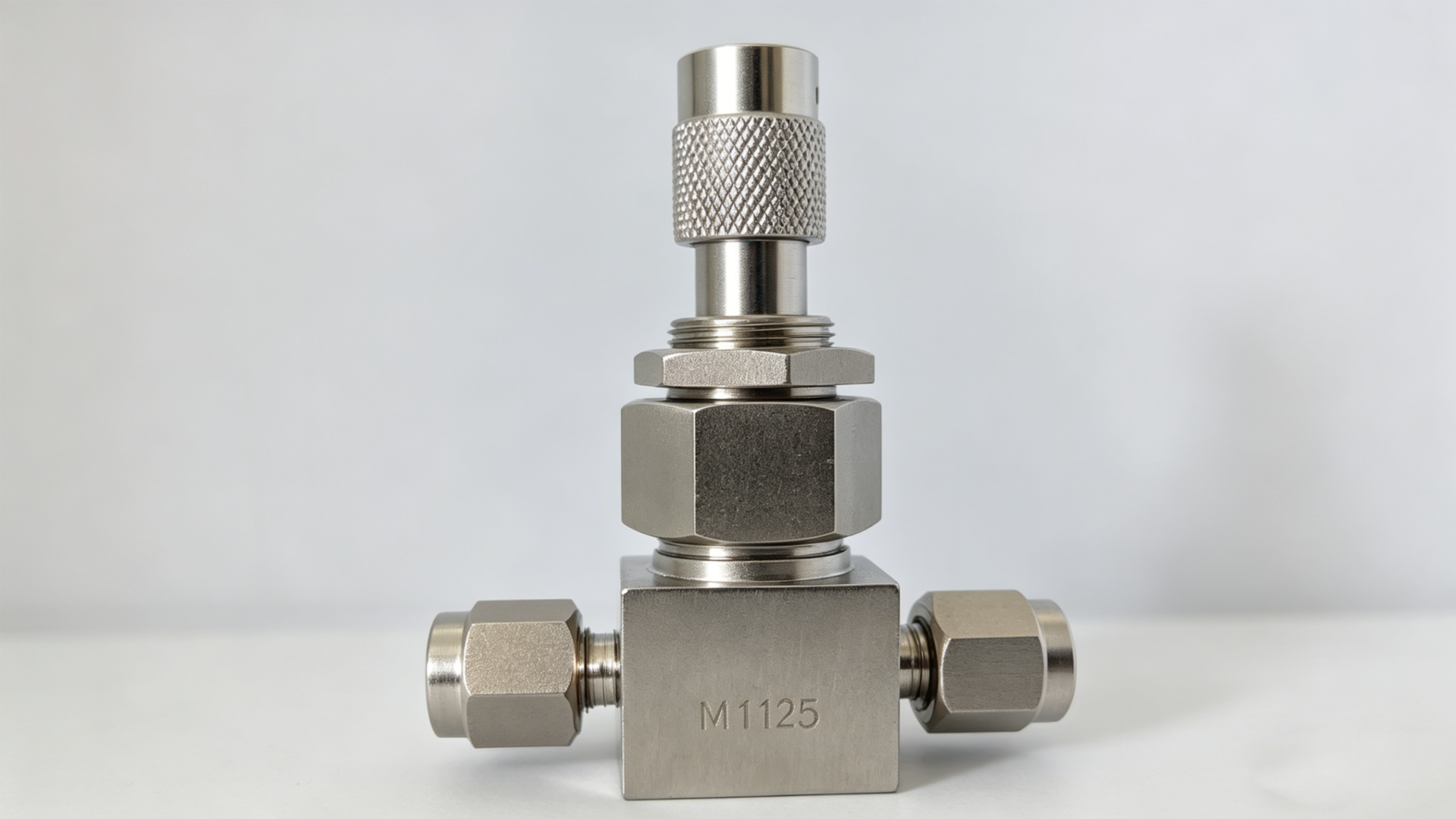
Choosing the right electric regulating valve is vital for the safety and efficiency of your fluid control system. Whether you work in water treatment, chemical processing, or power generation, the wrong choice can lead to leaks or system failure. In this guide, we will break down the essential factors for selecting the best valve and actuator.
Understand the Main Types of Regulating Valve Bodies
First, you must choose a valve body that fits your specific flow needs. Common types include single-seat, double-seat, angle, diaphragm, and butterfly valves. However, you should not pick one at random. Instead, consider these five critical factors:
- Core Structure: Choose the valve core shape based on the flow characteristics and unbalanced forces of your system.
- Wear Resistance: If your fluid contains abrasive particles, you need hard internal materials to prevent damage.
- Corrosion Resistance: For corrosive media, always choose a valve with a simple internal structure and resistant materials.
- Temperature and Pressure: High temperatures or shifting pressures require materials that can handle thermal expansion without losing a tight seal.
- Anti-Cavitation: Cavitation and flashing cause noise and vibration. Therefore, selecting a valve that prevents these issues will greatly extend its service life.
How to Select the Correct Electric Actuator
After picking the valve body, you must find a powerful electric actuator. To ensure the valve opens and closes correctly, the actuator must produce enough torque.
For example, the OMKEE OMK Series electric actuators are designed with a 1.3 to 1.5 times torque reserve. This extra power ensures that the valve achieves a high seal even under heavy loads. Furthermore, since most modern systems focus on energy efficiency, electric actuators are now the preferred choice over pneumatic options in many factories.
Determine the Best Actuator Type for Your Environment
Once you know the power requirements, look at your working environment. Different conditions require different actuator types:
- Pneumatic Actuators: These are best for sites where explosion-proof safety is the top priority.
- Electric Actuators: You should use these whenever possible to save energy and simplify installation. OMKEE’s explosion-proof actuators (ExbdIIBT4 Gb) offer a safe electric alternative for hazardous zones.
- Hydraulic Actuators: These are the best choice if you need extremely high precision, such as in power plant speed regulation.
Choose the Right Valve Function for Process Safety
Finally, you must decide on the operation mode of the valve. The most important goal is to keep your production safe. When choosing a valve function, always keep these three things in mind:
- Production Safety: What happens if power or air is lost? The valve should fail in a safe position.
- Media Characteristics: How does the fluid behave under pressure?
- Economic Impact: A well-chosen valve minimizes product loss and reduces downtime.
Why Choose OMKEE Control Solutions?
At OMKEE, we specialize in high-quality valve drives and automated systems. Our products are built to ISO 9001:2015 and CE standards, ensuring they meet global export requirements.
By choosing OMKEE, you get:
- IP68 Protection: All OMK series actuators are waterproof and dustproof.
- Precision Technology: We use Japanese Sakae potentiometers for 0.5% positioning accuracy.
- Proven Quality: Every unit undergoes strict torque and leakage testing before shipping.
Visit our website to find the perfect electric regulating valve and actuator for your next project. Our engineers are ready to help you optimize your system today.


