What is an Actuator?
News Details
Introduction
Have you ever wondered how machines move, open, or shut by themselves? Behind almost every automated movement is a vital part called an actuator. Without it, modern technology, cars, and factories would simply stand still.
In short, this device acts as the "muscle" of a machine. It takes a signal and a source of power, then turns that energy into physical motion.
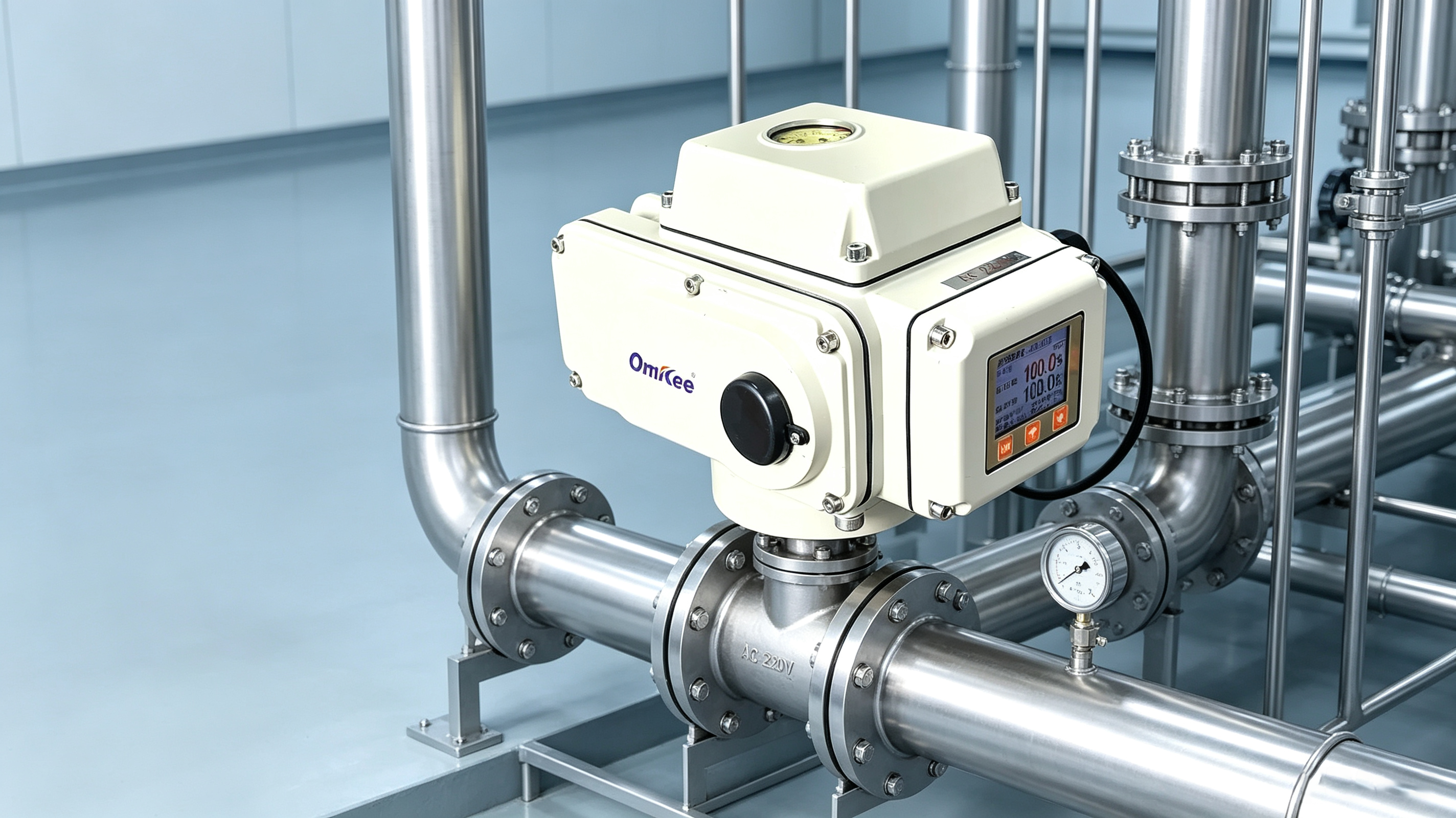
Meaning of Actuators
To understand the meaning of actuators, we need to look at how they fit into the bigger picture of engineering. Simply put, an actuator is a mechanical or electromechanical component that receives a control signal and uses energy to cause a machine to move or perform a specific task.
Think of it as the opposite of a sensor. While a sensor feels or measures changes in the environment and sends that data to a control system, the actuator does the exact opposite. It takes the command from the control system and creates physical action.
For example, when you press a button to roll down your car window, you send an electrical signal. The system processes this signal, and the device inside the door springs into action to push the glass down.
Actuator Actuator: Understanding the Core Mechanism
When people search for actuator actuator, they are usually looking to understand the core mechanical process that makes these parts work. At its basic level, every device follows a simple three-step cycle:
-
The Input Signal: The system receives a command, which can be electrical voltage, hydraulic fluid pressure, or compressed air.
-
The Power Source: The device connects to an external power supply to gather the energy needed for movement.
-
The Output Motion: The internal parts convert that energy into either linear (straight line) or rotary (spinning) motion.
Because different machines need different types of movement, manufacturers build these components in various shapes and sizes. Some provide a gentle push, while others exert thousands of pounds of force to lift heavy industrial loads.
What is an Actuator Used For?
People often ask, what is an actuator used for in everyday life? The truth is, you likely interact with dozens of them every single day without realizing it. They are everywhere, from your home to your workplace.
Here are some common real-world examples:
-
In Your Home: Smart thermostats use them to adjust vents. Automatic garage door openers use them to lift heavy doors. Even the washing machine uses them to lock the door and control water valves.
-
In Cars: They control power seats, door locks, throttle bodies, and windshield wipers.
-
In Industry: Factories rely on them heavily to run robotic arms, control assembly line belts, and manage safety valves on large pipes.
Main Types of Actuators
Because different jobs require different methods, engineers have designed several main types. Each kind uses a distinct power source to create movement:
-
Electric Actuators: These use electric motors to create motion. They are very popular because they offer high precision, are easy to control, and are clean to operate. You will find them in robotics and office equipment.
-
Pneumatic Actuators: These rely on compressed air to create physical movement. Because they are fast, reliable, and safe in hazardous areas, factories use them widely.
-
Hydraulic Actuators: These use pressurized liquid, usually oil, to push heavy loads. If you have ever seen a large construction excavator lift dirt, you are looking at hydraulic power in action.
-
Thermal or Magnetic Actuators: These respond to changes in temperature or magnetic fields. They are often used in specialized medical devices and scientific tools.
Conclusion
Understanding what an actuator is helps us appreciate the complex engineering behind everyday machines. From the simple car door lock to massive factory robots, these devices give technology the power to move and interact with the world. By turning signals into motion, they truly serve as the muscle of the modern world.Contact Us


