What Are the Parts of an Electric Actuator?
News Details
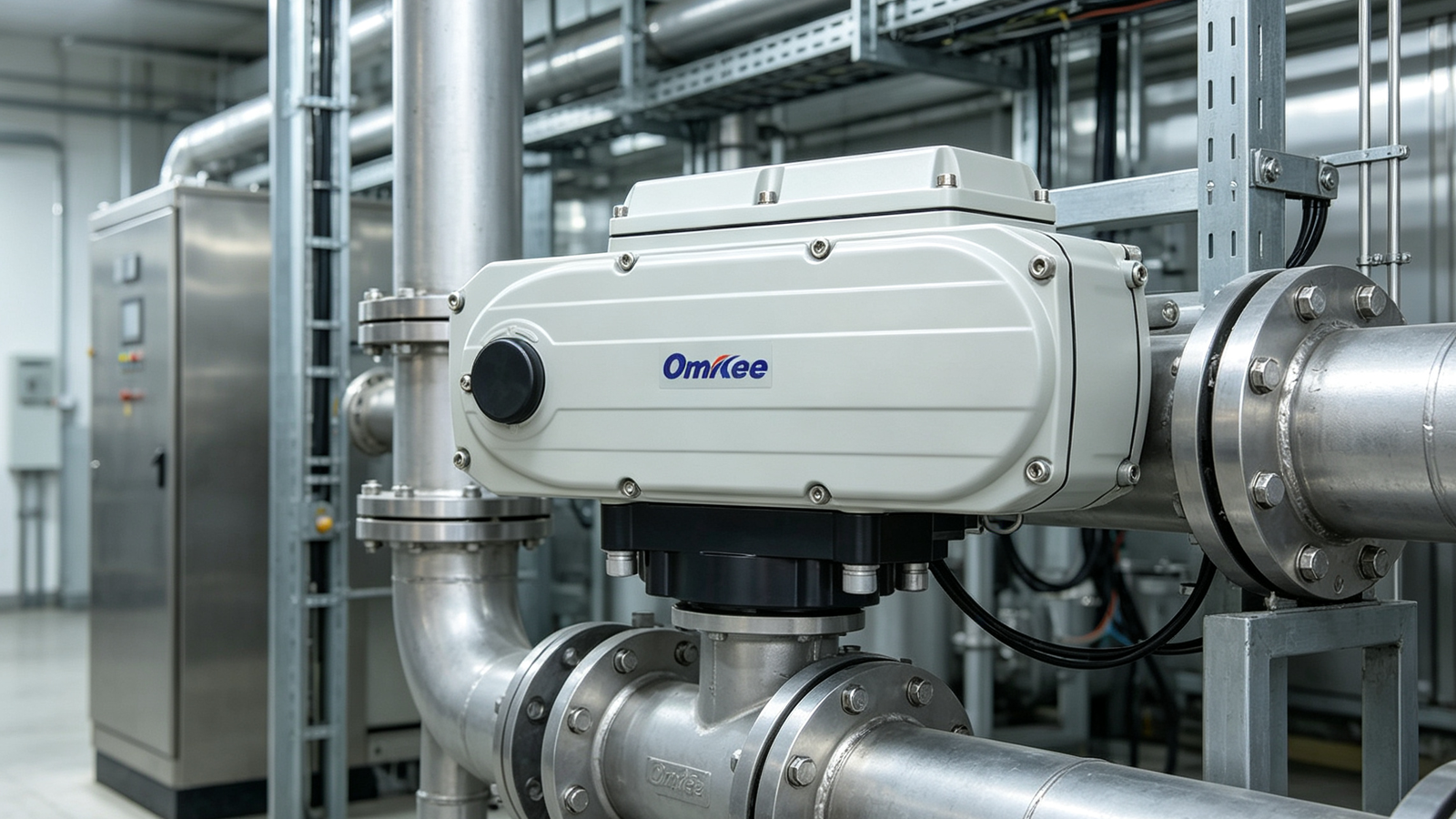
In modern industrial plants, automation plays a vital role in keeping operations safe, fast, and smooth. At the center of this movement are motorized valves and control systems. However, many engineers and plant buyers often wonder: What is an electric valve actuator?
Simply put, an electric valve actuator is a motorized device mounted directly onto a valve to control its open and close positions automatically. Instead of relying on manual labor to turn a heavy wheel, this device converts electrical energy into precise mechanical rotation or linear motion.
In this guide, we will break down the essential components that make anElectric Actuatorwork, explain how each part functions, and show how OMKEE delivers reliable solutions for global industries.
At the heart of every unit lies the electric actuator motor. This vital part provides the original force needed to drive the mechanism.
- How it works: When the control system sends power, the motor spins at high speed to create rotational power.
- Key types: Motors can run on AC or DC voltage depending on field requirements. Moreover, modern motors feature built-in thermal protection to prevent overheating during long duty cycles.
- Why it matters: Without a robust motor, even the best gear system cannot move heavy valve components under high pressure.
Because an electric motor spins quickly with relatively low torque, the system needs a gear train to reduce speed and boost power.
- Torque multiplication: The gears slow down the motor speed while multiplying its output force. Consequently, the actuator can effortlessly turn large valve stems.
- Self-locking capability: Most systems use worm gear drives. As a result, the valve stays firmly in position even if electrical power drops, preventing accidental flow changes.
If you ask, What is the function of an electric actuator? The main answer is precise control. The control unit serves as the "brain" of the device.
- Basic Control: Simple units use basic relays to start and stop the motor when fully open or fully closed.
- Advanced Control: An intelligent electric actuator includes microprocessors, digital displays, and fieldbus communication protocols (such as Modbus or HART). Consequently, operators can monitor valve position, torque, and diagnostics in real time from a central control room.
Safety and accuracy are critical in flow control. Therefore, actuators rely on limit and torque switches to protect both the valve and the pipeline.
- Limit Switches: These switches detect when the valve reaches its fully open or fully closed position. Once reached, they shut off power to the motor immediately.
- Torque Switches: If debris blocks the pipe or the valve jams, torque switches cut power to prevent the motor from burning out or snapping the valve stem.
The housing covers all sensitive electrical and mechanical parts, protecting them from dust, rain, corrosive chemicals, and physical impacts.
- Standard Weatherproof Housing: Typically rated IP67 or IP68 for outdoor or washdown environments.
- Explosion-Proof Housing: In hazardous areas like oil refineries or chemical plants, an explosion proof electric actuator is mandatory. Its heavy-duty casing contains any internal spark so it cannot ignite flammable gases in the atmosphere.
What happens if power fails during a critical operation? For safety, quality electric valve actuators feature a manual override system.
- Handwheel or Lever: Allows workers to manually turn the valve stem during power outages or maintenance.
- Declutch Mechanism: Automatically disengages the handwheel when the motor starts, ensuring operator safety during automatic remote operation.
Finally, the drive shaft connects the actuator's gear train directly to the valve stem.
- Standardization: Most manufacturers build mounting pads following ISO 5211 standards. This allows easy connection to various valve types.
- Versatility: Whether installed on a quarter-turn valve or a multi-turn gate valve, a proper stem coupling ensures smooth torque transfer without slop.
Different industrial applications demand different valve configurations. As a leading valve electric actuator manufacturer, OMKEE designs matching drive systems for two major valve categories:
Valve TypeMatching Actuator StyleCommon ApplicationsBall ValvesQuarter-turn (0°-90°)Oil & gas pipelines, chemical processing, water treatmentButterfly ValvesQuarter-turn high-torqueHVAC, power plants, large-diameter fluid lines
As a specialized china electric ball valve manufacturer and global ball valve supplier, OMKEE integrates heavy-duty drives directly with ball valves to ensure perfect alignment and long service life. Similarly, as a trusted butterfly valve supplier, OMKEE offers complete automated butterfly valve packages ready for immediate field installation.
Selecting the right Electric Actuator Supplier and electric valve manufacturer is critical for plant reliability and safety. OMKEE stands out by offering:
- Complete Range: From compact quarter-turn units to a heavy duty electric actuator for demanding industrial pipelines.
- Safety First: Certified explosion-proof designs built for hazardous gas and dust environments.
- Smart Technology: Advanced digital positioning and self-diagnostic features for modern automated facilities.
- Strict Quality Control: Every unit undergoes rigorous torque and pressure testing before shipment.
To explore full technical specifications or request custom valve automation solutions, visit OMKEE.


