How to Choose the Right Electric Regulating Valve for Your System
News Details
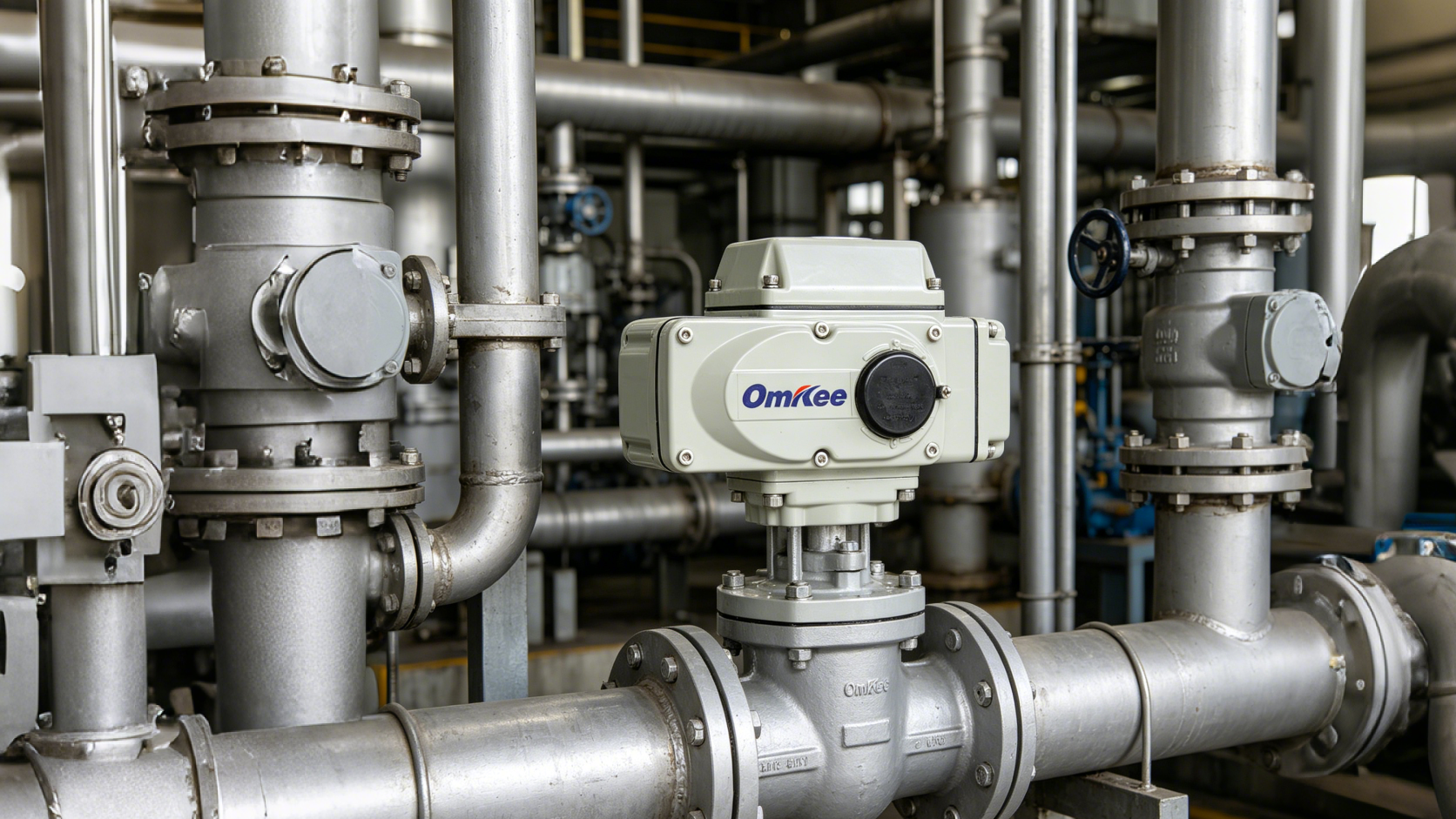
In modern industrial automation, the electric regulating valve is a vital control element. Factories use these smart valves to manage fluid flow, pipeline pressure, and temperature. However, choosing the wrong valve can lead to poor control, energy waste, or dangerous pipeline failures. To help you make the right choice, this guide outlines the key factors you must consider before buying your next motorized control valve.
Identify Your Application Scene and Fluid Properties
The first step in your selection process is to define your working environment. Different industries have entirely different standards for pipeline hardware. For example, a chemical plant requires corrosion-resistant metals, while a food factory demands food-grade sanitary steel.
Furthermore, you must analyze the exact properties of the fluid running through your pipes. You need to verify:
- Fluid Type: Is it a liquid, a gas, or high-pressure steam?
- Temperature and Pressure: High heat and heavy pressure require robust valve bodies.
- Viscosity: Thick or sticky liquids require a larger valve opening to ensure smooth flow.
- Corrosiveness: Aggressive acids require specialized alloys to prevent early rust and leaking.
Select the Best Flow Characteristics and Control Type
Flow characteristics describe how the fluid volume changes as the valve opening moves. Selecting the correct flow profile ensures your automation network remains stable.
- Equal Percentage: This type is ideal for systems that require micro-level flow regulation. The flow changes slowly at first and faster as the valve opens wider.
- Linear: This profile works best when the fluid pressure drop stays constant. The flow rate changes in a direct line with the valve position.
- Quick Opening: This is perfect for rapid on-off isolation tasks rather than constant modulation.
Additionally, you must match the control type to your factory network. If you only need to block or allow flow, a simple on-off control valve is enough. However, if you need to constantly adjust a process parameter, you must choose a modulating regulating control valve that can pause at any opening percentage.
Determine the Right Valve Sizes and Connection Formats
Sizing a valve correctly is essential for maintaining pipeline safety. If you install a valve that is too small, your pipeline will suffer from a lack of flow. On the other hand, if the valve is too large, your control system will be overly sensitive, causing the valve to "hunt" and wear out quickly. You should always calculate the valve size based on your actual line diameter and flow velocity requirements.
Next, consider how the valve links to your machinery. The three most common connection styles include:
- Flanged Connections: Best for large-diameter industrial pipes because they offer heavy-duty strength and easy removal for maintenance.
- Threaded Connections: Ideal for smaller, low-pressure lines due to their low cost and quick installation.
- Welded Connections: Preferred in high-pressure and high-temperature environments, such as thermal power plants, to guarantee a zero-leak permanent seal.
Evaluate the Drive System and Actuator Mechanisms
While pneumatic actuators are famous for fast opening and closing cycles, electric actuators are the absolute best choice for high-precision regulation and remote automation.
Electric actuators do not require expensive air compressors or messy fluid lines. They connect directly to your plant's electrical grid and computer networks. Because they run on software signals, electric actuators provide superior position feedback, allowing a central control room to track and adjust the pipeline state with maximum flexibility.
WhyOMKEE is Your Trusted Partner for Valve Automation
To ensure long-term reliability, B2B buyers must partner with a reputable brand that offers strong technical support. OMKEEspecializes in manufacturing premium electric actuators and automated valve systems that simplify your procurement process.
World-Class Control Precision
OMKEE’s OMK Series electric actuators are engineered for high-accuracy industrial tasks. By using premium Japanese Sakae potentiometers, our motorized valves deliver an exceptional 0.5% positioning accuracy. This ensures your valve disc settles exactly where your PLC or DCS system commands it to be.
Robust Hardware Tailored for Harsh Environments
We construct our actuator housings from premium ADC12 die-cast aluminum. The outer shell receives a thick thermo-sprayed powder coating (greater than 0.2 mm) that withstands continuous heat above 150°C. With an IP68 waterproof rating, OMKEE valves can work outdoors in heavy rain or deep mud without short-circuiting.
Complete Signal Integration Options
No matter what type of automation network your factory uses, OMKEE has a matching solution:
- OMK-10A: Provides active position feedback signals for reliable open/close status monitoring.
- OMK-10B: Utilizes passive contact (dry contact) signals to match older or specialized control panels.
- OMK-10C / OMK-10D: Feature continuous 1k Ohm resistance tracking and spring-loaded anti-backlash gears to ensure smooth, continuous loop modulation.
In conclusion, selecting the right electric regulating valve requires a careful look at your fluid, flow profile, size, and actuator quality. By choosing a certified manufacturer like OMKEE, you secure high-precision control, lower your maintenance bills, and future-proof your industrial automation system.
Visit www.omkeevalve.com today to browse our full catalog or speak with an expert application engineer!
Frequently Asked Questions
What happens if I choose an oversized electric regulating valve?
An oversized valve creates control instability. Because the valve opening is too large, even a tiny adjustment by the actuator will cause a massive jump in fluid flow. This forces the control loop to constantly over-correct, causing the motor to overheat and wear down prematurely.
Can OMKEE electric actuators handle high-pressure steam?
Yes. OMKEE electric actuators feature a 1.3-1.5x torque safety reserve. This extra motor power allows the actuator to overcome the heavy friction and high forces found inside high-pressure steam lines or thermal power plants.
What control signals do OMKEE intelligent actuators support?
Our intelligent modulating actuators seamlessly support standard B2B analog signals, including 4-20mA DC and 0-10V DC inputs and outputs. This allows for plug-and-play connection with modern PLC and DCS systems.


