Electric Actuators for Hydrogen Service: Hazardous-Area Questions Before Selection
News Details
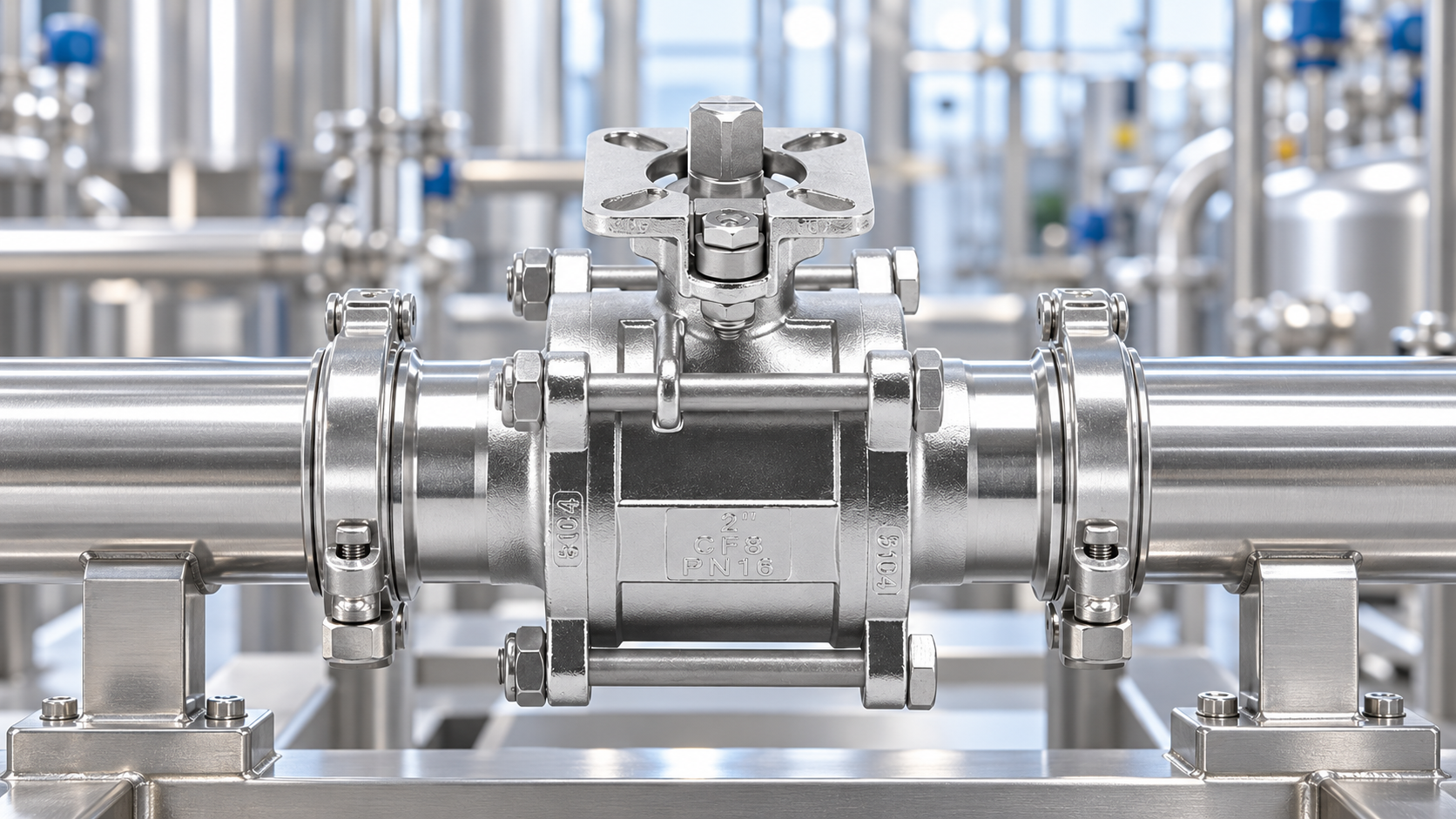
Choosing an electric actuator for hydrogen applications requires more than just matching torque and voltage. Buyers must also verify the installation area, explosion protection marking, certificate scope, and operating limits.
Valves and actuators need to be reviewed separately. Valves must be suitable for hydrogen processes, while actuators installed in hazardous areas must meet the requirements of that location.
For engineers, distributors, and project purchasers, the following questions provide a practical starting point before ordering a hydrogen valve actuator.
1. Where will the hydrogen valve actuator be installed?
Start with the hazardous area classification of the site.
This assessment identifies where a flammable atmosphere may form and considers how often it may occur and how long it may persist. It guides the selection of equipment and ignition control measures.
Please provide the following to the project team:
- Hazardous area where the actuator is located.
- Required equipment protection level, or EPL.
- Presence of gas or gas mixture.
- Required gas group.
- Temperature requirements.
- Minimum and maximum ambient temperature.
- Applicable local approval requirements.
Do not assume that all actuators in hydrogen installations have the same requirements. Equipment near potential release points may face different conditions than equipment in separate, evaluated locations.
Site classification should be carried out by professional project personnel rather than based on product catalogs.
2. Does the gas group cover hydrogen?
Under the IEC explosion protection framework, hydrogen is classified in gas group IIC. Therefore, when selecting equipment for hydrogen hazardous areas, gas group IIC actuators are a relevant starting point.
However, full markings are critical. Gas group labels alone do not confirm the correct protection level, temperature rating, or ambient range.Markings with only IIB certification do not prove suitability for hydrogen. Some equipment has a specific hydrogen extension, commonly labeled IIB+H₂. If this is the proposed solution, verify the actual certificate and obtain project approval rather than treating ordinary IIB equipment as equivalent.
Buyers should request clear images of the nameplate for the specific model offered.
3. Is the IECEx electric actuator certificate valid for this model?
When a supplier provides an IECEx electric actuator, please request their complete IECEx Certificate of Conformity, including schedules and appendices.
Verify that the certificate covers:- Manufacturer and production identification.
Certification of the enclosure, motor, or cable gland alone does not mean that the complete actuator has been certified.
4. Do the temperature and environmental limits match the site conditions?
Gas group and temperature class address different hazards. Buyers must verify both.
Temperature class limits equipment surface temperature under specified conditions. Meanwhile, ambient temperature rating indicates the range of ambient temperature covered by the equipment approval.
Please ask the supplier to confirm the allowed combination of:
- Ambient temperature.
- Working load and number of starts per hour.
- Motor and control options.
- Built-in heater (if installed).
- Process heat transferred through the valve and installation components.
Outdoor sunlight or heat from nearby equipment may also affect installation conditions.
Do not select a temperature rating based solely on the term "hydrogen." Other gases, process conditions, and project requirements may impose additional restrictions.
5. Is the valve suitable for hydrogen process?
Hazardous area certification of the actuator does not certify the valve's pressure boundary, seals, or leakage performance.
Regarding the valve, please review:
- Hydrogen concentration and gas composition.
- Working pressure and design pressure.
- Minimum and maximum process temperature.
- Materials for valve body, valve stem, internal parts, and seals.
- Internal and external leakage requirements.
- Pressure cycle and expected service life.
- Required testing and supporting records.
Compatibility with hydrogen must be evaluated based on specific materials and service conditions. A general statement such as "stainless steel valve" is not sufficient.
Additionally, external explosion protection and internal process adaptability must be distinguished. Before approving the complete valve actuator assembly, both must be considered.
6. Are the torque, speed, and working conditions correct?
After clarifying the requirements for hazardous locations, check the mechanical performance.
Use valve torque data for specific pressure, temperature, valve seat design, and operating conditions. Include breakout torque, operating torque, and seating torque if applicable.
Then confirm:
| Select item | Issues to be resolved |
|---|---|
| Output torque | Can the actuator operate the valve without exceeding the allowable valve stem torque? |
| running time | Is the opening or closing speed suitable for the process? |
| Working condition rating | Can the actuator support the required operating frequency? |
| Installation and coupling | Are the dimensions, alignment, and load transfer appropriate? |
| power supply | Do the voltage and frequency match the site power supply? |
| feedback | Can the control system confirm the location and detect faults? |
A larger actuator is not always the best choice. Excessive torque can damage valves or couplings unless proper limits are set and correctly set.
7. What happens when the power supply or control signal fails?
Please define the required response before selecting the actuator.
Loss of power supply, loss of control signal, and emergency shutdown commands are different events. The equipment may respond differently to each event.
Confirm whether the process requires the valve to remain in position, open, close, or follow another approved strategy. Then check how this action will be accomplished.
Standard electric actuators do not necessarily provide powered operation after the power supply is disconnected. If energy storage or other emergency safety devices are needed, clearly specify them.
Similarly, explosion-proof performance does not establish functional safety. Any safety-related tasks require separate evaluation and supporting evidence.
8. Does the review include installation and maintenance?
If installed or maintained incorrectly, good equipment may lose its protective function.
Please confirm the requirements for cable glands, sealing plugs, grounding, cable entry threads, and electrical enclosure access. Accessories must meet the protection concept and certification requirements.
Additionally, please request instructions regarding:
- Isolation before opening.
- Inspection of seals and protective joints.
- Approved replacement parts.
- Fastener requirements.
- Cleaning and rust prevention.
- Inspection cycle and records.
The completed installation should be inspected by personnel qualified in applicable hazardous area requirements.
What should the buyer confirm with OMKEE?
OMKEE's website lists explosion-proof electric valve actuator solutions with IIB T4 Gb certification. This published information does not in itself establish hydrogen compatibility, IIC certification, or IECEx certification for a specific model.
For hydrogen projects, please ask OMKEE to confirm whether it can supply a specific configuration supported by the necessary approvals.
Please send the hazardous area classification, gas composition, temperature limits, valve torque data, operating conditions, power supply, and control requirements together with your inquiry.Before placing an order, please obtain written confirmation of model, nameplate markings, certification scope, and operating conditions. If the proposed equipment does not meet the project requirements, please request a suitable alternative solution, rather than making a decision based solely on the description of "explosion-proof."


