What Are the Main Types of Electric Actuators? An Industrial Guide
News Details
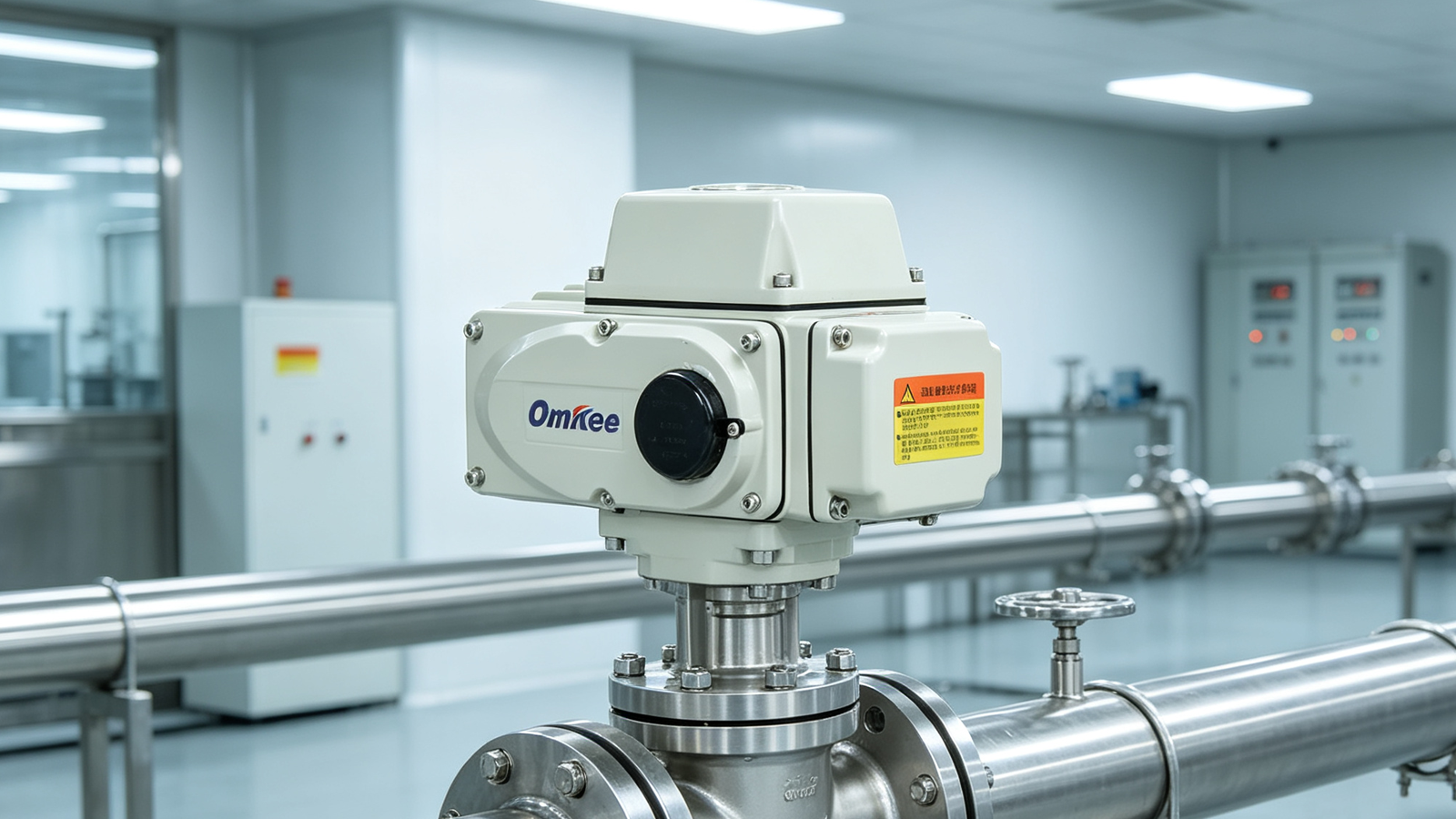
In modern industrial plants, automation is the key to high efficiency and safety. At the heart of this automation are devices that control the flow of liquids and gases through pipelines. If you work in water treatment, chemical processing, or power generation, you likely rely on an Electric Actuatorevery day.
But what exactly are these devices, and how do you choose the right one? In this guide, we will break down the basics, answer common questions, and explore the main types of actuators used in industries today.
Understanding the Basics: What Do They Do?
Before we look at the different types, let us answer a fundamental question:What is the function of an electric actuator?
Simply put, the main function is to convert electrical energy into mechanical force. This force creates motion, which allows operators to open, close, or regulate a mechanism from a remote control room. As a result, factories can run smoothly without workers needing to manually turn heavy wheels or levers.
When these devices are paired with pipeline valves, we call them electric valve actuators. So, What is an electric valve actuator? It is a specific type of actuator designed to drive the closing element of a valve, such as a ball, gate, or butterfly disc. By using an electric actuator motor combined with a set of gears, the device can generate enough torque to control fluid flow precisely.
The Main Types of Electric Actuators by Motion
Industrial applications require different types of movement. Therefore, manufacturers design actuators based on the specific motion needed to operate a valve.
1. Quarter-Turn Electric Actuators
These are perhaps the most common types in industrial automation. They are designed for valves that only require a 90-degree turn to go from fully open to fully closed.
-
Common Applications: They are widely used to automate ball valves and butterfly valves.
-
Why They Matter: Because they move quickly and offer clear on/off control, they are perfect for standard shut-off systems. If you work with a trusted butterfly valve supplier or a ball valve supplier, you will find that quarter-turn options are the standard choice for these valve designs.
2. Linear Electric Actuators
Unlike quarter-turn models, linear actuators move in a straight line. They push a shaft forward or pull it back.
-
Common Applications: These are ideal for globe valves, gate valves, and diaphragm valves where the valve stem must rise or fall to regulate flow.
-
Why They Matter: They offer highly precise positioning, making them excellent for control valves that need to adjust flow rates by small percentages.
3. Multi-Turn Electric Actuators
Some valves require the stem to rotate multiple times to fully open or close. Multi-turn units can rotate continuously to drive these systems.
-
Common Applications: Large gate valves and sluice gates.
-
Why They Matter: They can handle very long travel distances and provide the sustained force needed for massive infrastructure pipelines.
Advanced and Specialized Types for Industrial Needs
Standard movement is not the only factor to consider. Industrial environments can be harsh, dangerous, or highly complex. Because of this, a professional valve electric actuator manufacturer will also offer specialized models.
Intelligent Electric Actuators
Today, field buses and digital communication dominate modern factories. An intelligent electric actuator does much more than just open and close. It features built-in microprocessors, digital displays, and smart sensors.
-
Key Benefits: These units provide real-time diagnostics, track system errors, and communicate directly with your central control system (such as SCADA or PLC). This allows for predictive maintenance, which saves time and prevents unexpected downtime.
Explosion-Proof Electric Actuators
Safety is the number one priority in industries like oil and gas, oil refining, or chemical processing. In these environments, flammable gases or dust are often present in the air. A standard motor could create a spark and cause a disaster.
-
Key Benefits: An explosion proof electric actuator is built with a heavy, sealed enclosure. This casing ensures that even if an internal spark occurs, it cannot escape to ignite the surrounding atmosphere.
Heavy-Duty Electric Actuators
Some industrial processes involve high pressures, thick fluids, or giant pipelines that resist movement.
-
Key Benefits: A heavy duty electric actuator uses reinforced gearboxes and high-torque motors to handle massive loads without wearing out. They are built to endure extreme weather and constant cycling.
Finding the Right Partner for Your Flow Control System
Choosing the right combination of valves and automation drives requires deep technical knowledge. For the best results, it is wise to source your equipment from an experienced, integrated electric valve manufacturer.
When you buy your valves and automation units from the same source, you eliminate compatibility issues. For instance, a leadingchina electric ball valve manufacturercan pre-assemble, calibrate, and test the entire unit before shipping. This means the electric valve actuators will perfectly match the torque requirements of the underlying valves.
As a dedicated Electric Actuator Supplier, OMKEE focuses on providing reliable flow control solutions. Whether you need an intelligent system for a smart factory or robust protection for a hazardous zone, choosing high-quality engineering ensures your operations keep moving safely and efficiently.


