The Vital Role of Electric Valves in Fluid Control Systems
News Details
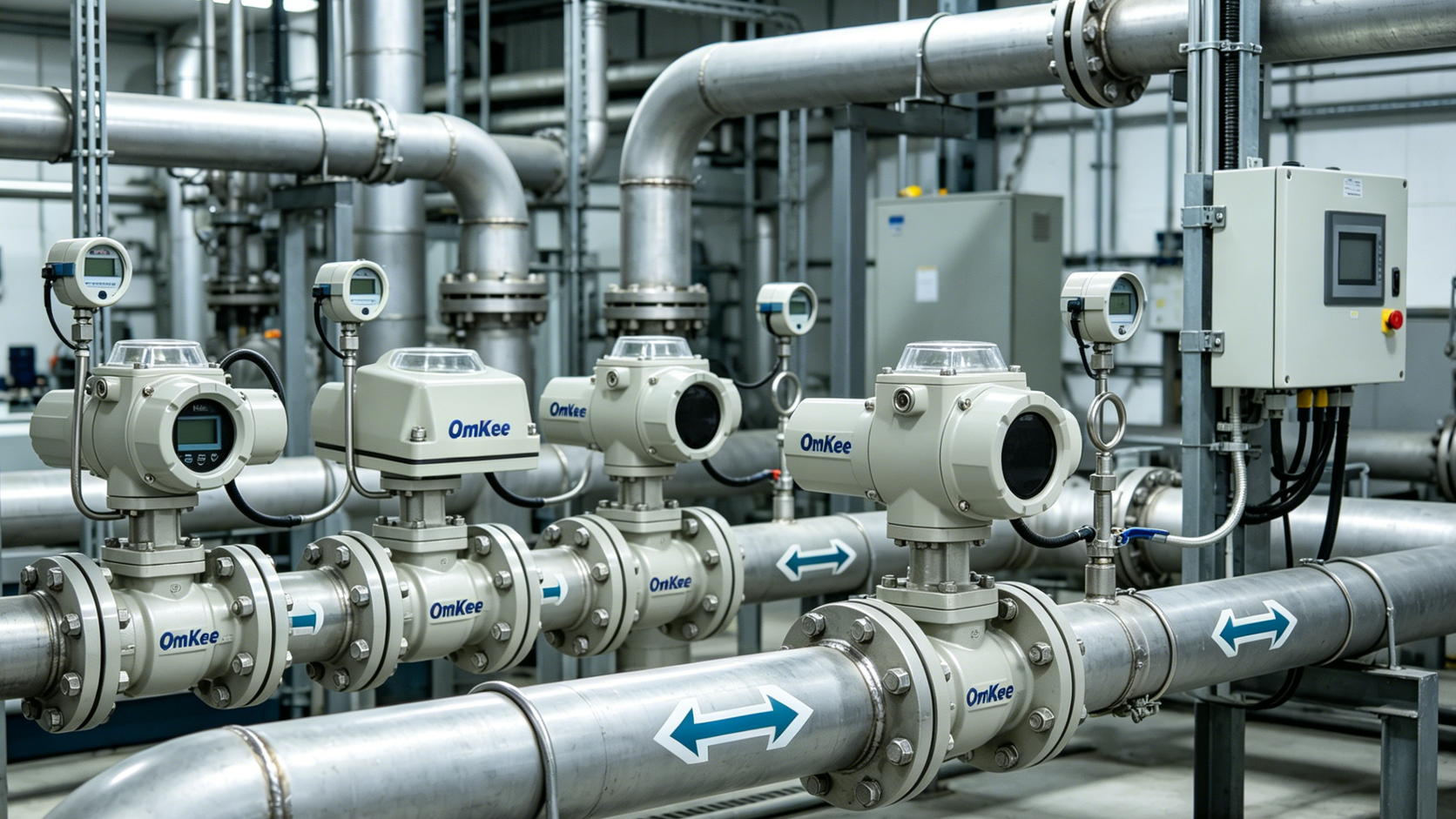
Fluid control is a core part of modern industry. In both factories and everyday buildings, managing the flow of liquids and gases is essential. Today, the electric valve has become one of the most important tools for this task. As automation grows, these smart valves replace old manual systems to keep pipelines running smoothly.
How Electric Valves Manage Fluid Flow
At its heart, an electric valve has a simple job. It uses electrical power to open or close a pipe. The system has two main parts: a motorizedelectric actuatorand the valve body itself.
First, the actuator receives a digital signal from a central control room. Next, the built-in motor turns that signal into physical movement. By adjusting how far the valve opens, the system can precisely manage fluid flow, pressure, and temperature. Because it uses electricity, it delivers high accuracy without the need for manual work.
Three Common Types of Electric Valves
Different industrial jobs require different valve designs. Consequently, manufacturers build various types of electric valves to match specific pipeline needs.
-
Electric Ball Valves: These valves have a round ball core inside. They offer very low fluid resistance and tight sealing. Therefore, industries like oil and gas rely on them to prevent dangerous leaks.
-
Electric Butterfly Valves: These use a rotating disc to control flow. They have a simple, lightweight structure. Because they fit well into tight spaces, water treatment plants and HVAC systems use them for large pipes.
-
Electric Gate Valves: These work like a sliding gate that moves up and down. They are ideal for high-pressure and high-temperature systems where the valve must be fully open or completely closed.
Key Benefits of Using Automated Flow Control
Switching from manual valves to electric ones brings major benefits to any facility. Here are the main reasons why modern plants install them:
1. Seamless Automation and High Efficiency
Manual valve adjustment takes time and creates room for errors. In contrast, electric valves respond to network commands instantly. This automation keeps production stable, drops operating costs, and allows factories to run continuously.
2. Micro-Level Control Accuracy
Waste is a massive expense in manufacturing. By using advanced electronic controls, electric valves adjust flow rates with high precision. This exact control protects product quality and cuts down on fluid waste.
3. Safe Remote Monitoring
Many industrial areas are dangerous or hard to reach. However, electric valves connect directly to a plant's computerized control system. This allows operators to monitor and change valve positions from a safe distance.
4. Simple Maintenance and Self-Testing
Modern motorized valves are highly intelligent. Many models feature self-diagnostic tools. If a problem occurs, the valve alerts the maintenance crew immediately. This fast warning prevents unexpected factory shutdowns.
OMKEE: Advanced Solutions for Fluid Automation
To achieve dependable fluid control, you need a trusted equipment partner. OMKEE (Wuhan OMEC Technology) provides premier electric valves and actuators for global B2B buyers.
Engineered for Tough Applications
OMKEE builds durable valve solutions that meet strict global standards. For instance, our electric ball and butterfly valves feature rugged ADC12 die-cast aluminum housings. This tough outer shell protects the inner electronics from extreme factory heat and humidity.
High Precision and Certified Safety
We use high-grade components like Japanese Sakae potentiometers to guarantee a 0.5% positioning accuracy. Furthermore, for high-risk areas like petrochemical plants, OMKEE offers certified Exdb IIB T4 Gb explosion-proof solutions. Our products feature a 1.3-1.5x torque reserve, ensuring they can open and close smoothly even in thick mud or high-pressure steam.
In conclusion, electric valves are the backbone of modern flow control. By combining OMKEE’s high-precision hardware with automated networks, companies can improve safety, reduce energy loss, and secure long-term success.
Frequently Asked Questions
What is the difference between an electric valve and a pneumatic valve?
Electric valves use electricity and are easy to link with computer networks. They do not need extra air compressors. Pneumatic valves use compressed air. While pneumatic valves can close quickly, their overall control systems are much more complex to install and maintain.
Can OMKEE electric valves operate outdoors?
Yes. OMKEE electric actuators feature professional weather-resistant designs with IP68 waterproof certifications. This ensures stable performance in rain, dust, and harsh outdoor environments.
What industries benefit most from electric ball valves?
Electric ball valves are perfect for industries that require zero leakage and high-pressure resistance. They are widely used in chemical processing, oil and gas pipelines, thermal power plants, and automated water treatment facilities.


