How Electric Regulating Valves Work in Industrial Automation
News Details
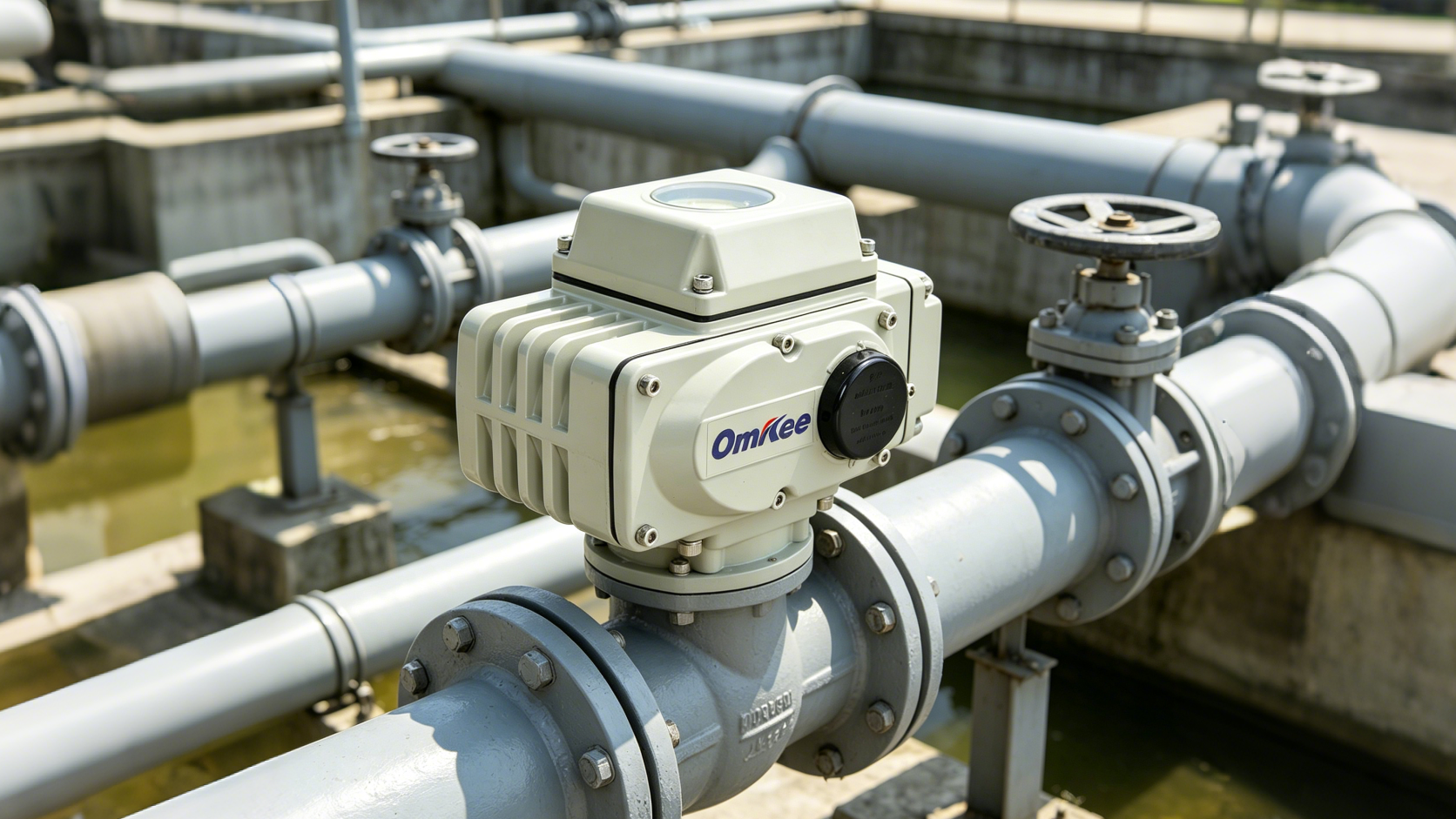
In modern industrial plants, controlling the flow of liquids and gases is a vital task. To do this accurately, engineers rely on the electric regulating valve. This essential device automatically adjusts fluid flow, pipeline pressure, and temperature. By converting electrical signals into precise mechanical movement, these valves keep complex industrial processes running safely and efficiently.
The Core Components of an Electric Regulating Valve
To understand how these valves operate, we must first look at their main parts. An electric regulating valve is not just a single piece of hardware. Instead, it is a smart system made of several key components working together:
- The Valve Body: This is the main outer shell that connects directly to the pipeline. It contains the internal channels through which the fluid flows.
- The Valve Seat and Disc: The seat is the fixed opening inside the body, while the disc is the moving part. When the disc moves closer to or further from the seat, it changes the size of the opening to regulate flow.
- The Electric Actuator: This is the "brain and muscle" of the valve. It holds an electric motor that drives the movement of the valve disc.
- The Feedback Device: Usually a potentiometer or an encoder, this tool monitors the exact position of the disc in real-time.
The Step-by-Step Working Principle Explained
The basic working principle of an electric regulating valve is the conversion of an electrical signal into linear or rotary motion.
First, a central control system—such as a PLC (Programmable Logic Controller) or DCS (Distributed Control System)—monitors the pipeline. It compares the actual flow rate or pressure with the target goal. If there is a difference, the controller creates an electrical control signal (often a 4-20mA or 0-10V signal).
Next, the electric actuator receives this signal. The built-in motor spins, moving the valve stem and adjusting the disc's position. For instance, if the pipeline needs more fluid, the actuator opens the valve wider.
Finally, the position feedback device checks the valve's new opening percentage. It sends a data signal back to the controller. This creates a continuous, closed-loop system. As a result, the valve constantly self-adjusts to maintain perfect flow stability.
Different Valve Structures for Diverse Industrial Needs
Electric regulating valves come in various physical designs to handle different types of fluids and pressure levels.
For example, electric ball valves are excellent for quick, tight shut-off operations because they offer very low fluid resistance when fully open. On the other hand, electric butterfly valves use a rotating disc, making them lightweight and ideal for regulating flow in large-diameter pipes.
The choice of the actuator motor also matters. DC motors offer rapid response times for fast-changing environments. Meanwhile, AC motors provide excellent long-term stability for continuous, heavy-duty industrial operations.
Global Applications Across Critical Industries
Because they offer reliable automation, electric regulating valves are essential in many major fields:
- Chemical and Petrochemical: These valves precisely control the raw chemical flow entering reaction vessels. This strict management ensures process safety and prevents dangerous pressure spikes.
- Power Generation: Power plants use regulating valves to manage huge volumes of cooling water and high-pressure steam, directly improving energy efficiency.
- Pharmaceutical and Food Processing: In these sectors, hygiene and exact batch mixing are vital. Electric valves handle ingredients cleanly and accurately to secure product quality.
OMKEE: Premium Control Solutions for Smart Factories
Achieving high-precision flow control requires heavy-duty hardware that can withstand harsh factory conditions. OMKEE (Wuhan OMEC Technology) specializes in manufacturing world-class electric actuators and automated valve systems that fulfill these demanding requirements.
Engineered for 0.5% Positioning Accuracy
OMKEE's OMK Series electric actuators are designed specifically for precise regulating tasks. By integrating high-end components like Japanese Sakae potentiometers, OMKEE valves deliver an exceptional 0.5% positioning accuracy. This ensures that the valve disc sits exactly where the control system commands it to be.
Certified Explosion-Proof Security
Harsh industrial sites often contain flammable gases or dust. To protect your facility, OMKEE provides certified Exdb IIB T4 Gb explosion-proof actuators. Built with rugged ADC12 die-cast aluminum housings, these units offer superior heat dissipation and robust protection, preventing electrical sparks from escaping into the environment.
High-Torque Reliability
High-temperature steam and thick chemical fluids create heavy friction inside a pipeline. OMKEE handles this by engineering its actuators with a 1.3-1.5x torque reserve. This extra power ensures smooth, jam-free operation and a low failure rate, reducing your plant's overall maintenance costs.
In conclusion, electric regulating valves are the backbone of modern factory automation. By pairing OMKEE’s high-stability actuators with digital control networks, industrial enterprises can easily upgrade to smart manufacturing, eliminate fluid waste, and protect their operational safety.
FAQ
What signal types doOMKEE electric regulating valves support?
OMKEE intelligent electric actuators seamlessly support standard industrial control signals, including 4-20mA DC and 0-10V DC inputs and outputs. This allows them to connect directly to modern PLC and DCS automation networks.
What is the purpose of position feedback in a regulating valve?
Position feedback allows for closed-loop control. The feedback device (like an encoder) tells the control system the exact position of the valve disc. Without it, the system cannot verify if the valve has opened correctly to match the requested flow rate.
How does an IP68 rating protect the valve actuator?
An IP68 certification means the actuator housing is completely dust-tight and waterproof against continuous immersion. This prevents trapped steam, outdoor rain, or airborne dust from entering the electrical compartment and ruining the circuit board.


