Electric Butterfly Valve vs. Electric Ball Valve: Key Differences
News Details
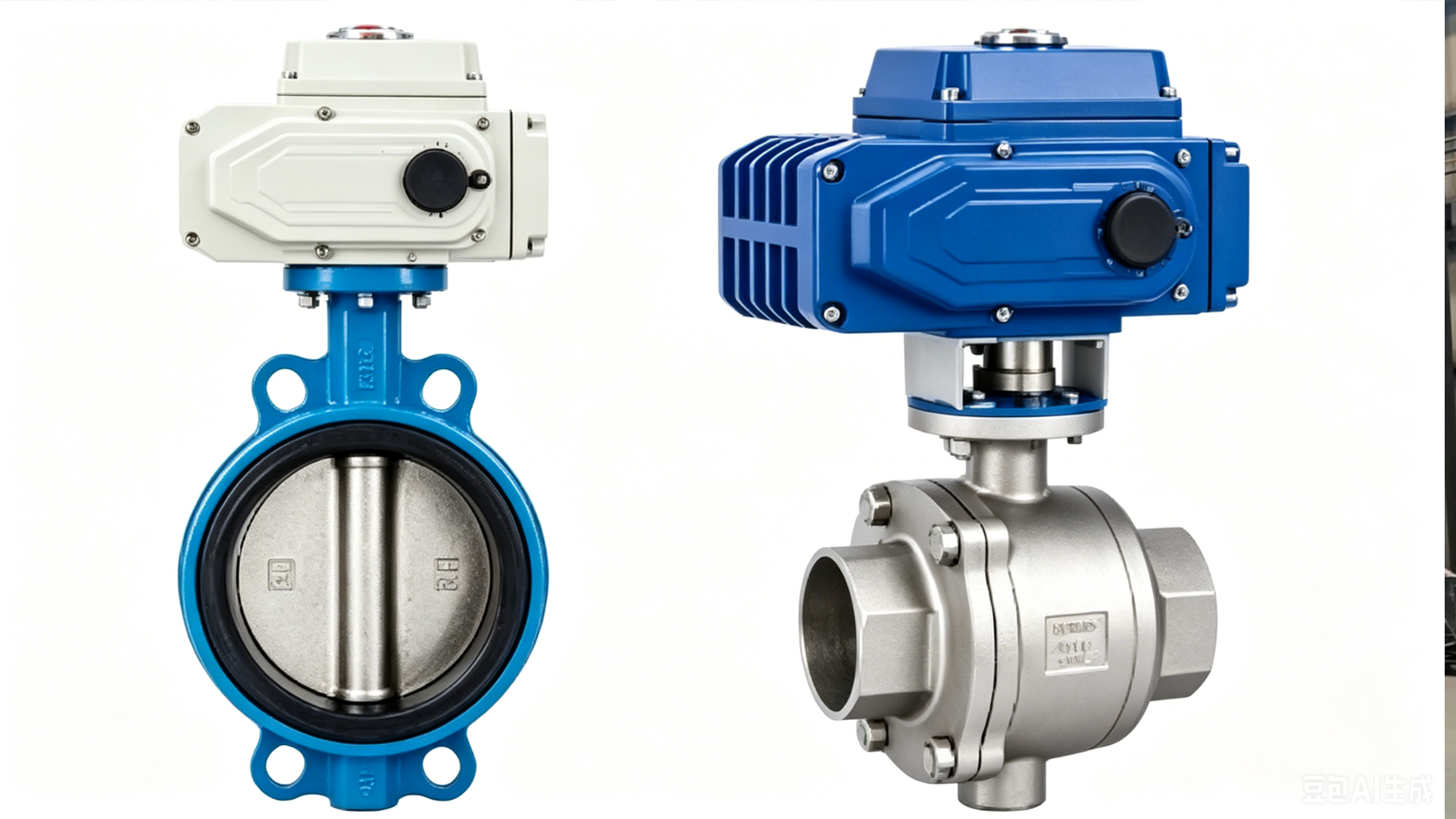
In industrial pipeline automation, choosing the right valve can make or break your project's efficiency. Among the most popular options are the electric butterfly valve and the electric ball valve. While both control fluid flow using electric power, they differ significantly in design, performance, and cost. Understanding these variations will help you choose the best system for your facility.
Structural Differences and How They Operate
The most obvious difference between these two valves is their internal design. Each utilizes a unique mechanism to stop or allow fluid flow.
First, the electric butterfly valve features a thin, flat disc that sits in the middle of the pipe. When the motorized actuator turns, this disc rotates 90 degrees to open or close the line. Because the disc is flat, the valve body is narrow and lightweight.
In contrast, the electric ball valve uses a solid sphere with a tunnel through the center. When the valve opens, the hole aligns with the pipe, creating a completely clear pathway. When it closes, the solid side of the ball blocks the flow. Consequently, the ball valve has a heavier, more rounded body.
Sealing Performance and Fluid Resistance
When it comes to handling pressure, the structural design directly affects how well each valve seals.
- Electric Ball Valves: These offer superior sealing performance. When closed, the ball presses tightly against the soft valve seats, creating a leak-proof barrier. Furthermore, when fully open, the straight-through hole creates zero fluid resistance. This makes it ideal for handling high-pressure liquids without drop-offs.
- Electric Butterfly Valves: While modern butterfly valves seal well, their sealing pressure is generally lower than ball valves. Additionally, even when fully open, the thin disc remains inside the fluid path. This causes a slight restriction in flow and can create a small pressure drop.
Best Industrial Applications for Each Valve Type
Because of their unique strengths, engineers deploy these valves in very different industrial environments.
Electric butterfly valves excel in large-diameter pipelines. Thanks to their compact design and lighter weight, they are highly cost-effective for big projects. Therefore, you will commonly find them regulating flow in water treatment plants, sewage systems, HVAC setups, and chemical lines.
On the other hand, electric ball valves are the top choice for high-stakes environments. They excel in high-temperature and high-pressure systems where preventing leaks is critical. As a result, industries like oil and gas processing, petrochemical refining, and heavy manufacturing rely heavily on ball valves for fast, reliable shut-off control.
Maintenance Requirements and Long-Term Costs
Budget and upkeep are vital factors for any B2B buyer.
Generally, electric butterfly valves offer a lower initial purchase price because they use fewer raw materials. Their maintenance is straightforward since the simple structure allows for fast visual inspections. However, the rubber or Teflon seals may need more frequent replacement over time if used with abrasive fluids.
Meanwhile, electric ball valves carry a higher upfront cost due to their complex manufacturing process. Maintaining them can be more labor-intensive, particularly in high-pressure lines where technicians must carefully check both the ball and the internal seats for micro-wear. However, they tend to last longer under harsh conditions, saving money on replacement costs.
OMKEE: Premium Electric Valve Solutions for Smart Automation
Whether your project requires the space-saving design of a butterfly valve or the heavy-duty seal of a ball valve, OMKEE (Wuhan OMEC Technology) provides the perfect automation hardware.
Advanced Actuator Technology
OMKEE builds durable electric actuators that mount perfectly to both ball and butterfly valves. Using ADC12 die-cast aluminum housings, our units offer superior heat dissipation. This protects the internal electronics from hot pipelines, ensuring a long operational lifespan.
High Precision and Torque Reserve
For precise regulating tasks, OMKEE integrates premium Japanese Sakae potentiometers, delivering a 0.5% positioning accuracy. Additionally, our actuators feature a 1.3-1.5x torque reserve. This extra power ensures that our electric ball valves slice through thick fluids smoothly and our butterfly valves adjust flow rates without jamming.
Certified Global Safety Standards
For dangerous industrial sites, OMKEE provides certified Exdb IIB T4 Gb explosion-proof actuators. This ensures total safety in oil refineries and chemical plants, reducing operational risks while helping your business meet strict environmental compliance laws.
In summary, choose an electric butterfly valve if you need an economical, lightweight solution for large-scale water or chemical lines. Opt for an electric ball valve when zero leakage, high pressure, and rapid shut-off are your top priorities. Pairing either option with a high-stability OMKEE actuator ensures your automated system operates flawlessly for years to come.
Frequently Asked Questions
Which valve is better for flow regulation, ball or butterfly?
Electric butterfly valves are generally better for throttling and regulating flow, especially in large pipes. Standard ball valves are best suited for full-open or full-closed "on-off" service. However, specialized V-port ball valves can also be used for precise modulation.
Why are electric butterfly valves cheaper than electric ball valves?
Butterfly valves are much thinner and use significantly less metal than ball valves of the same pipe size. This lightweight design lowers both material costs and shipping fees, making them highly economical for large industrial systems.
Can OMKEE actuators handle high-viscosity fluids like sludge?
Yes. Thanks to the engineered 1.3-1.5x torque reserve, OMKEEelectric actuators provide the extra mechanical power needed to open and close valves cleanly, even when handling thick, sticky, or high-viscosity media.


